Chandan Yatra: A Sacred Journey of Devotion
- Bhakti Raas

- May 1
- 6 min read

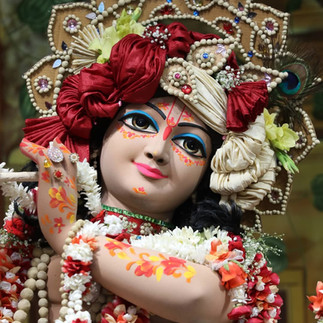


As a writer and seeker of devotion, my goal is always to connect with the authentic teachings of our Sanatan Dharma, drawing wisdom directly from the scriptures and the great Acharyas. We strive to understand not just what we do, but why we do it, basing our practices on true spiritual insight, instead of adhering to trends or unverified sources.
One beautiful festival that begins on the supremely auspicious day of Akshaya Tritiya is the Chandan Yatra (Sandalwood Festival). This festival, observed with great devotion in Vaishnava temples, particularly those following the lineage Srila Prabhupada established in ISKCON, is a wonderful expression of love and service to the Supreme Lord.
But what is its significance? Why do we lovingly smear sandalwood paste on the divine forms of the Lord during this period? Let's explore this from the Vaishnava perspective.
The Setting: Akshaya Tritiya and the Summer Heat
Chandan Yatra commences on Akshaya Tritiya, the third day of the bright fortnight of the month of Vaishakha (April-May). This day itself is highly significant – 'Akshaya' means 'that which never diminishes'. Any spiritual activity performed on this day is said to yield everlasting results. It marks the beginning of Satya Yuga and is considered one of the most auspicious days in the Vedic calendar.
This time also coincides with the onset of intense summer heat in India. Just as we seek relief from the scorching sun with cooling substances, Vaishnavas, seeing the Deity not as mere stone or metal but as the worshipful form of the Supreme Lord Himself (Archa Vigraha).
The Essence: An Offering of Love and Comfort
The main reason for applying sandalwood paste (chandan), often combined with camphor and other cooling substances, to the Deities of Radha, Krishna, Jagannath, Baladeva, Subhadra, and other forms of the Lord, is to offer relief from the heat. As the summer heat intensifies, the cooling properties of sandalwood offer comfort to the Lord, reflecting the devotee’s heartfelt desire to serve and please him.
This act is filled with love and care, treating the Lord with the highest affection and respect.
Imagine gently applying a soothing balm to someone you deeply care for when they are uncomfortable. This is the bhava or mood behind Chandan Yatra. It is a tangible way for devotees to show their devotion and personally serve the Lord.
The Supreme Lord is self-sufficient and does not need anyone's service however, He finds joy when His devotees participate in loving devotional service, which helps them progress on the path of devotion. Chandan Yatra offers a wonderful chance for devotees to serve the Lord.
The Divine Pastime: Lord Jagannath and Madhavendra Puri
The origins of the large-scale Chandan Yatra celebration are famously linked to the Jagannath Temple in Puri. For 21 days, the representative Deities of Lord Jagannath (Madan Mohan) along with other Deities enjoy various festivities, including being smeared with fragrant sandalwood paste and enjoying boat pastimes (Nauka Vihar) in the Narendra Sarovara tank.
However, the deep significance for Gaudiya Vaishnavas, including those in ISKCON, is profoundly illustrated by the story of Madhavendra Puri, a great saint in the disciplic succession. As described in the Chaitanya Charitamrita (Madhya Lila, Chapter 4), Lord Krishna, in His Deity form of Gopal in Vrindavan, appeared to Madhavendra Puri in a dream. Lord Gopal expressed that He felt very hot and requested Madhavendra Puri to bring sandalwood pulp from the Malaya region (often associated with Orissa or South India) to cool His body.
Filled with ecstatic love, Madhavendra Puri undertook the arduous journey. In Jagannath Puri, he procured the finest quality sandalwood and camphor with the help of the local authorities. As he was returning, Lord Gopal appeared to him again in a dream in Remuna (Orissa), where the Deity of Lord Gopinath resides (famous for the Kshira-chora Gopinath pastime). Lord Gopal instructed Madhavendra Puri that Gopinath and He (Gopal) are non-different. He told him to smear all the collected sandalwood paste onto the body of Sri Gopinath, stating that by doing so, His own body (Gopal's in Vrindavan) would feel cooled.
Madhavendra Puri followed this divine instruction. This pastime beautifully teaches us:
In the realm of devotion, the relationship between the Lord and his devotees is profoundly reciprocal. The Lord reciprocates with his devotee's love, creating a bond that transcends the material world. The Deity form, known as Archa Vigraha, is non-different from the Lord himself and accepts service, allowing devotees to express their devotion in tangible ways. Serving one form of the Lord not only fulfills the individual devotee's spiritual aspirations but also pleases all his forms, reinforcing the interconnectedness of divine manifestations. Moreover, the intensity of the devotee's desire to serve is what pleases the Lord immensely, highlighting that the sincerity and fervor of devotion are paramount in this sacred exchange.
Srila Prabhupada's Emphasis
His Divine Grace A.C. Bhaktivedanta Swami Prabhupada, the founder-acharya of ISKCON, established Deity worship as a central element in his temples worldwide. He understood the importance of these festivals as prescribed in the scriptures for engaging the senses in the Lord's service and purifying the consciousness.
In a 1975 lecture on Chandan Yatra, Srila Prabhupada said:
"We should always remember that Krishna is the Supreme Enjoyer. We do not offer chandan for our own satisfaction but to please Krishna. That is the secret of success in devotional life."
He often highlighted how such festivals play a vital role in spiritual life. They serve to purify the heart by engaging the senses in Krishna’s service, allowing participants to immerse themselves in devotion. Additionally, these gatherings strengthen community bonds through collective kirtan and seva, fostering a sense of unity among devotees. Finally, they elevate consciousness by reminding us of Krishna’s eternal pastimes, inspiring deeper reflection and connection to the divine.
How Can We Serve and Please the Lord During Chandan Yatra?
As Vaishnavas seeking to please the Lord based on scriptural guidance, we can participate in Chandan Yatra in several ways:
Visit the Temple: Make an effort to visit your local ISKCON temple or other participating Vaishnava temples during the Chandan Yatra period (typically 21 days starting from Akshaya Tritiya). Take darshan of the beautifully adorned Deities covered in cooling chandan.
Participate in Kirtan and Katha: Engage in the chanting of the Holy Names (Hare Krishna Hare Krishna, Krishna Krishna Hare Hare / Hare Rama Hare Rama, Rama Rama Hare Hare) and listen attentively to lectures or readings about the significance of the festival and related pastimes.
Offer Service (Seva): If possible, volunteer at the temple. This could involve helping prepare the sandalwood paste (grinding chandan is itself a beautiful seva!), making garlands, cleaning the temple, or assisting in distributing prasadam. Any service done with a devotional attitude pleases the Lord.
Offer Cooling Items: You can sponsor or personally offer cooling items appropriate for the season, such as flowers (especially jasmine, roses), fruits (melons, mangoes), or cooling drinks (like sweet lemon water or rose sherbet) to be offered to the Deities as bhoga.
Apply Chandan (Symbolically): While we may not apply chandan directly to the main temple Deities, authorised priests do. At home, if you have Deities, you can consult authorized sources or senior devotees on how you might offer this service appropriately on a smaller scale, always maintaining cleanliness and respect. Even applying Vaishnava tilak (made from Gopichandan clay) daily is a way of marking the body as a temple of the Lord.
An Expression of Sweet Devotion
Chandan Yatra is far more than a ritual; it's a heartfelt expression of love, care, and devotion. It stems from the authentic desire to please and comfort the Supreme Lord, following the footsteps of great devotees like Madhavendra Puri and the traditions established in holy places like Jagannath Puri. As encouraged by Srila Prabhupada, participating in such festivals deepens our connection with Krishna, purifies our existence, and allows us to experience the joy of devotional service.
This Chandan Yatra, let us strive to cool the Lord not just with sandalwood paste, but with the sincerity of our hearts and our dedicated service.
Hare Krishna!
Join Us on Instagram
For more spiritual reflections, relationship wisdom, and daily inspiration rooted in the teachings of Krishna and Bhakti-yoga, follow our journey on Instagram!
Join Our Instagram Channel @bhakti_ra.as


Comments