Galtaji Temple, Jaipur – A Divine Gem Nestled in the Aravallis
- Bhakti Raas

- Apr 17
- 3 min read
Updated: Apr 24
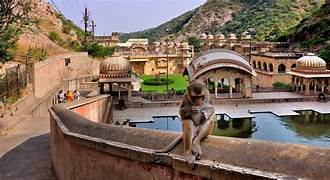


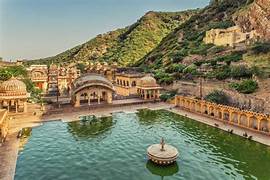
During my recent journey to Jaipur, I had the blessed opportunity to visit Galtaji Temple—an ancient spiritual sanctuary tucked away in the Aravalli hills. As I stepped into this holy site, I was mesmerized—not just by its natural beauty and unique architecture, but by the deep spiritual aura and centuries of devotional history that this place carries. Galtaji is more than just a temple—it's a divine experience.
The Serene Setting of Galtaji
Located about 10 km east of Jaipur, Galtaji Temple is set amidst the majestic and peaceful Galta Valley of the Aravalli Hills. The moment one enters through the rocky terrain, the world seems to quieten. Lush greenery, langurs leaping between trees, and natural springs cascading into sacred kunds (water tanks) offer a sense of timelessness and tranquility. The environment is pure, sacred, and soaked in devotion, making it an ideal destination for any seeker of spiritual solace.
Historical Significance and Origins
Galtaji has been a spiritual retreat for sages and saints for centuries. It is believed that the great sage Galav Rishi performed intense penance here for thousands of years, and by the mercy of the Supreme Lord, sacred springs emerged to quench his thirst. These springs form the foundation of the Galtaji Kunds. The site became a revered tirtha, and saints continued to meditate here in the holy vibration of Galav Rishi’s austerities.
The present temple complex was built in the 18th century by Diwan Rao Kriparam, a courtier of Sawai Jai Singh II. However, the sanctity of the place far predates the structure. The complex is a series of temples built in pink sandstone, featuring intricately carved pillars, painted frescoes, and pavilions that mirror the elegance of Rajasthani architecture.
The Sacred Kunds – Natural Springs of Grace
The highlight of Galtaji is its sacred kunds, filled with natural spring water. Among them, the most prominent is Galta Kund, which never dries up—even in the hottest months of summer. Pilgrims from far and wide take a holy dip here, especially during Makar Sankranti, to cleanse their sins and receive spiritual merit.
Each kund is considered to have emerged from the mercy of the Lord, and the water is believed to possess purifying properties. Devotees often sit around the kunds, chant the holy names, and absorb the divine atmosphere that is both rejuvenating and elevating.
Deities and Their Divine Presence
The Galtaji Temple complex houses several shrines dedicated to various Hindu deities, each with its own significance and devotional practices.
The temples house deities of Sita, Rama, Laxman, Hanuman & Lord Krishna and Radha Rani and others—each placed with great devotion and rich historical significance.
The temple is often referred to as the “Monkey Temple” due to the abundance of monkeys who roam freely around the temple. They are seen as sacred and protected residents of the area.
Significance for Gaudiya Vaishnavas – A Place of Devotional Victory
For followers of the Gaudiya Vaishnava tradition, Galtaji holds a special place of reverence. IIt was here that the renowned Acharya Baladeva Vidyabhushan, a devoted disciple of Srila Vishvanatha Chakravarti Thakur, participated in a significant theological debate in the 18th century..
The Ramanandi sect who were prominent at Galtaji and in the Jaipur court, had challenged the Gaudiya tradition, questioning its authenticity due to the absence of a direct commentary on the Vedanta Sutra. This presented a crisis, as no such commentary existed within the Gaudiya tradition at that time.
Baladeva Vidyabhushan miraculously wrote down this commentary, known as the Govinda Bhasya, overnight or in a very short period. It is said that he prayed intensely for guidance, seeking inspiration from Lord Govindaji (the main Gaudiya deity, whose image was subsequently installed in Jaipur after being relocated from Vrindavan).
He presented this masterpiece at Galtaji before the assembled scholars, winning their hearts and securing the Gaudiya tradition’s rightful place among the Vedantic schools.
The Govinda Bhasya successfully established the philosophical legitimacy and ancient roots of Gaudiya Vaishnavism, silencing the critics and securing the tradition's place within the broader Hindu framework.
The event is not just a tale of philosophical victory but a testament to unwavering faith and divine inspiration.
A Living Tirtha of Holiness and Harmony
What struck me most about Galtaji was the natural harmony between spirituality and nature. The chirping of birds, the playful antics of monkeys, the gurgle of spring water, and the timeless chants of saints—everything blends to create an environment where the soul feels at home.
Visiting Galtaji is not just a physical journey, but an inner pilgrimage. It reminds us of the glory of our spiritual heritage and the power of faith. For any devotee—especially a Gaudiya Vaishnava—Galtaji is not just a destination; it's a sacred milestone on the path back to Krishna.
Join Us on Instagram
For more spiritual reflections, relationship wisdom, and daily inspiration rooted in the teachings of Krishna and Bhakti-yoga, follow our journey on Instagram!
Join Our Instagram Channel @bhakti_ra.as



Comments